River ferry to Trelissick and Malpas
The public river ferry runs up the Fal from Falmouth. It is a public service, so there is nothing to book here: our guide covers where it stops, how tickets work, and when a private boat is the better choice.
Falmouth sits at the mouth of the Carrick Roads, so a trip can stay in sheltered estuary water or head out into the open bay.
Trips come in five kinds: private charters, sunset cruises, fishing, wildlife trips, and days out to St Mawes or the Helford River. Tell us who is coming and when, and we'll suggest one, with the reasons.
Opens GetYourGuide in a new tab. We earn a commission if you book, at no extra cost to you. How this site makes money
Every trip starts in the harbour. What differs is how far out it goes, and the further out, the more the boat moves. The bands below run from the calmest water to the most exposed.
| RiversCalmest | RoadsSheltered | MouthFirst swell | BayMoves more | OffshoreMost exposed | |
|---|---|---|---|---|---|
| River ferry to Trelissick | Most of the trip | Most of the trip | No | No | No |
| Crossing to St Mawes | No | Most of the trip | No | No | No |
| Sunset cruise | No | Most of the trip | Some trips | Some trips | No |
| Private charter | If you choose | Most of the trip | If you choose | If you choose | If you choose |
| Helford River day out Across the bay, then into the river | Most of the trip, in the Helford | Passes through | Passes through | Most of the trip | No |
| Fishing trip | No | Passes through | Passes through | Most of the trip | Some trips |
| Wildlife trip | No | Passes through | Most of the trip | Most of the trip | Some trips |
Calmest water
North of Mylor and St Just, the estuary narrows into the River Fal and its creeks, with wooded banks close on either side. Even on a blustery day it is rarely rough.
The Helford is just as calm once you are inside it, but you cross the open bay to get there. That trip is further down the page.
The public river ferry runs up the Fal from Falmouth. It is a public service, so there is nothing to book here: our guide covers where it stops, how tickets work, and when a private boat is the better choice.
A half-day charter up the estuary in May is one of the best trips of the year, and rarely rough. With your own boat you choose the creeks and the pace.
Sheltered: a chop, no swell
The broad stretch between Falmouth, Flushing, Mylor and St Mawes is the heart of the harbour. A breeze can raise a chop here, but the land around it stops ocean swell getting in.
If anyone in your group is nervous about seasickness, start here.
A skippered boat for your group alone. You set the pace and, weather allowing, the route: stay in the Roads, go up the river, or head out into the bay. The skipper can turn back to sheltered water the moment anyone feels uneasy.
Opens GetYourGuide in a new tab. We earn a commission if you book, at no extra cost to you. How this site makes money
An evening on the water as the light goes, usually in the harbour and lower Carrick Roads. Some go a little way out into the bay.
Opens Viator in a new tab. We earn a commission if you book, at no extra cost to you. How this site makes money
The short crossing of the Roads, by the year-round passenger ferry, a pleasure cruise or your own boat. Often the public ferry is the right answer; our guide compares all three and what to do once you land.
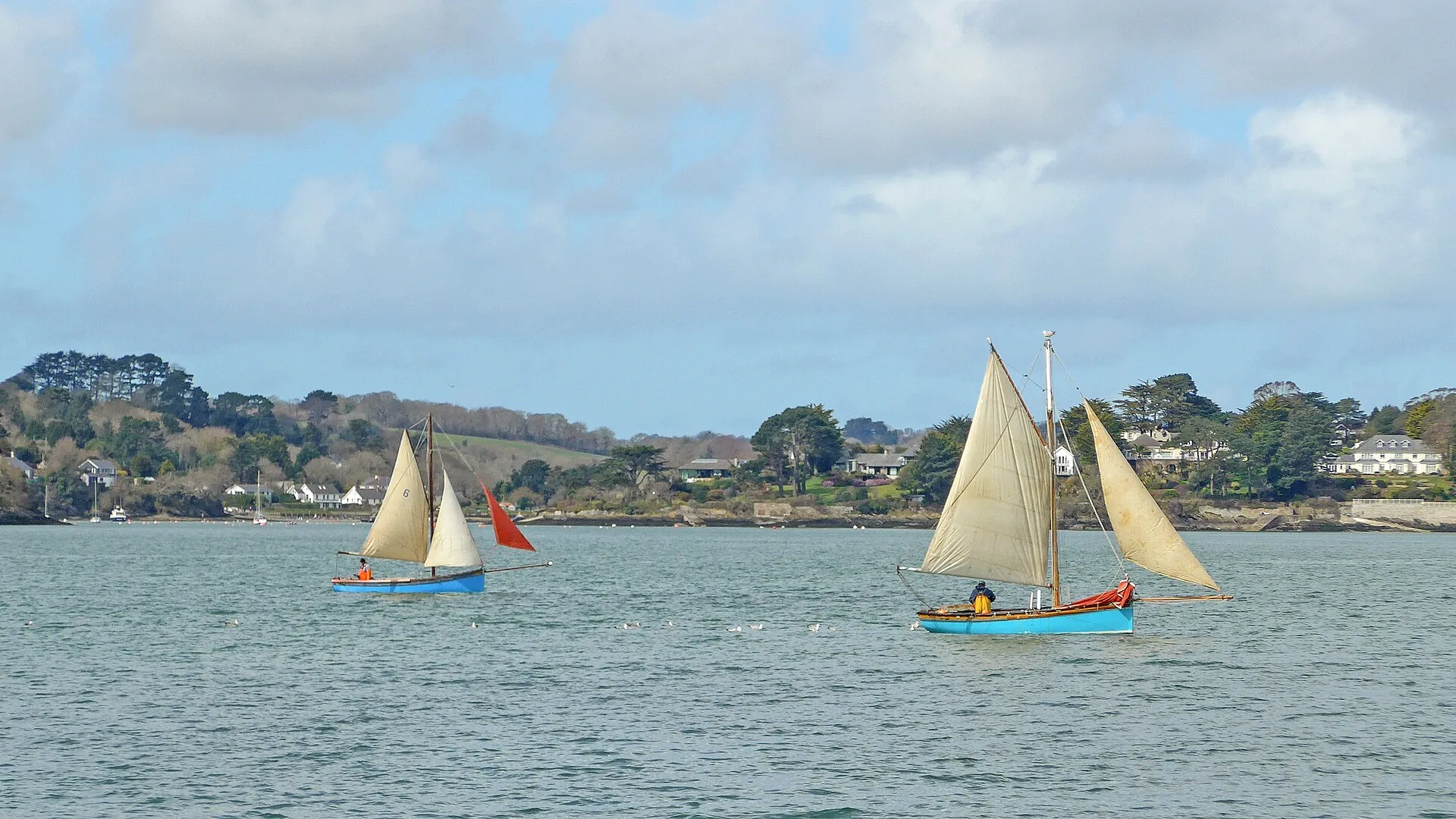
Where you first feel the swell
Between Pendennis Point and St Anthony Head, with Black Rock in the middle, the estuary meets the sea. Every trip bound for the bay passes through here, and it can be the bumpiest short stretch of the day.
When the tide flows one way and the wind blows the other, the waves stand up short and steep, even in a moderate breeze. It happens here on a falling tide with an onshore wind, and it is why the same trip can feel very different in the morning and the afternoon.
Falmouth Bay faces south-east, so winds from the south and east blow straight into it, while the prevailing south-westerlies are partly blocked by the land. The Carrick Roads, with land on three sides, stay sheltered in most directions. That is why a skipper may cancel a trip into the bay but still run one up the estuary on the same day.
Winds are named for where they blow from. Our guide to the best time of year explains how to read the forecast.
Open water: it moves more
Outside, the bay stretches south towards the Helford and the Lizard. It is partly sheltered from the west by the land, but open to the south and east.
Wildlife and fishing trips spend most of their time out here. If you are prone to seasickness, pick a calm day.
Round the bay into the wooded Helford River, with time ashore. Moderate motion on the way; calm once you are in the river.
Read about St Mawes and Helford trips
Opens Viator in a new tab. We earn a commission if you book, at no extra cost to you. How this site makes money
From an hour or two catching mackerel to a full day for keen anglers, with tackle usually supplied. Boats drift while you fish, so expect some motion.
Opens Viator in a new tab. We earn a commission if you book, at no extra cost to you. How this site makes money
Seals, seabirds and, with luck, dolphins, along the coast either side of the harbour mouth. Nothing is guaranteed, but a skipper who knows where to look gives you a far better chance than the shore.
Opens GetYourGuide in a new tab. We earn a commission if you book, at no extra cost to you. How this site makes money
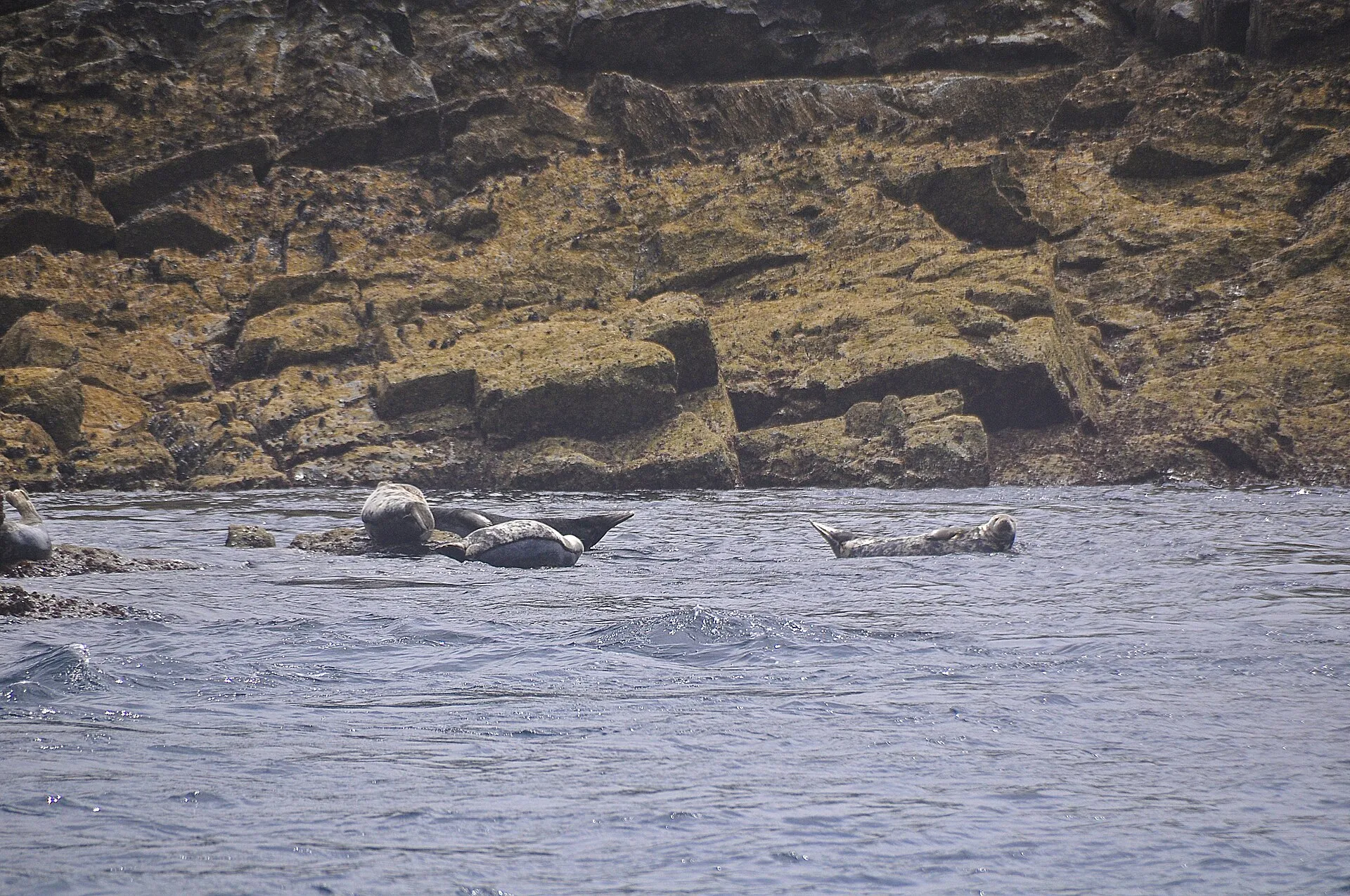
No shelter at all
Further out there is nothing between you and the Atlantic. Longer wildlife trips and full-day fishing charters come out here, and the boat will rise and fall with the swell even on a still day.
Swell is the long, rolling movement left behind by distant storms, and it can arrive on a perfectly still day. Inside the Carrick Roads you will hardly notice it; out here the boat rises and falls steadily, and that slow, repetitive motion is what unsettles most people.
Common dolphins are the species most often seen, usually further offshore and sometimes in large, fast-moving groups. Some days they come to the boat; many days they do not. Calm, flat water makes spotting far easier than the season does.
For most people the best time is between May and September, when the evenings are long, the sea has warmed up and the most trips are running. June and September are the sweet spots. Choose a month in the planner above to see it in your plan.
The best time of year for a boat trip in Falmouth, month by month
Typical formats in general terms. Every operator differs, so check the listing before you book.
| Trip | Typical length | Group | Water | Best for |
|---|---|---|---|---|
| Private boat charter | Two hours to a full day | Your party only | Your choice: estuary, bay or both | Families, celebrations, anyone who wants to set the pace |
| Sunset cruise | An hour or two, timed to sunset | Shared boat or private | Mostly sheltered; some go out into the bay | Couples, a gentle first trip, the end of a long day |
| Fishing charter | A couple of hours to a full day | Shared rods or the whole boat | Mostly open water | Children who want to catch something; keen anglers |
| Wildlife boat trip | A couple of hours, longer offshore trips too | Mostly shared | Open water: the most exposed option | Wildlife watchers happy with some motion |
| St Mawes and Helford trips | A short crossing to half a day | Shared cruise or private | St Mawes: sheltered. Helford: across the open bay | A day out with lunch ashore; mixed-age groups |
The planner at the top gives one answer. These are the questions behind it.
Stay in the estuary. The crossing to St Mawes, a sunset cruise in the harbour, or a private charter kept inside the Carrick Roads are the calmest choices. Our guide to calm-water trips and seasickness explains why.
A private charter lets you set the route and the pace, and turn back whenever you like. You pay for the boat rather than per seat, so the bigger the group, the less it costs each.
Book a wildlife trip with a careful skipper and go on a calm day. Nothing is guaranteed; our guide to dolphins and seals around Falmouth sets out what is realistic in each season.
Month by month: light, warmth, wildlife, crowds and how often the weather gets in the way.
Which trips stay in the sheltered estuary, how wind changes the ride, and what actually helps with seasickness.
What you might see, in which season, and how a good skipper watches wildlife without chasing it.
The public ferry, a cruise or your own boat: which crossing suits your day, and what to do once you land.
The public river ferry up the Fal: where it stops, how tickets work, and when to choose a private boat instead.
Layers, shoes, sun and spray, by season and by type of boat, plus what to leave on the quay.
