Wildlife boat trips from Falmouth
Wildlife boat trips from Falmouth work the coast either side of the harbour mouth looking for grey seals, seabirds and, with luck, dolphins. Nothing is guaranteed, but a couple of hours with a skipper who knows where to look gives you a far better chance than watching from the shore.
Opens GetYourGuide in a new tab. We earn a commission if you book, at no extra cost to you. How this site makes money
What you might see
Honest expectations make for a better trip. Roughly from most to least likely on an ordinary outing:
- Seabirds. Cormorants and shags on the rocks and marks, gulls everywhere, and gannets diving offshore for much of the year.
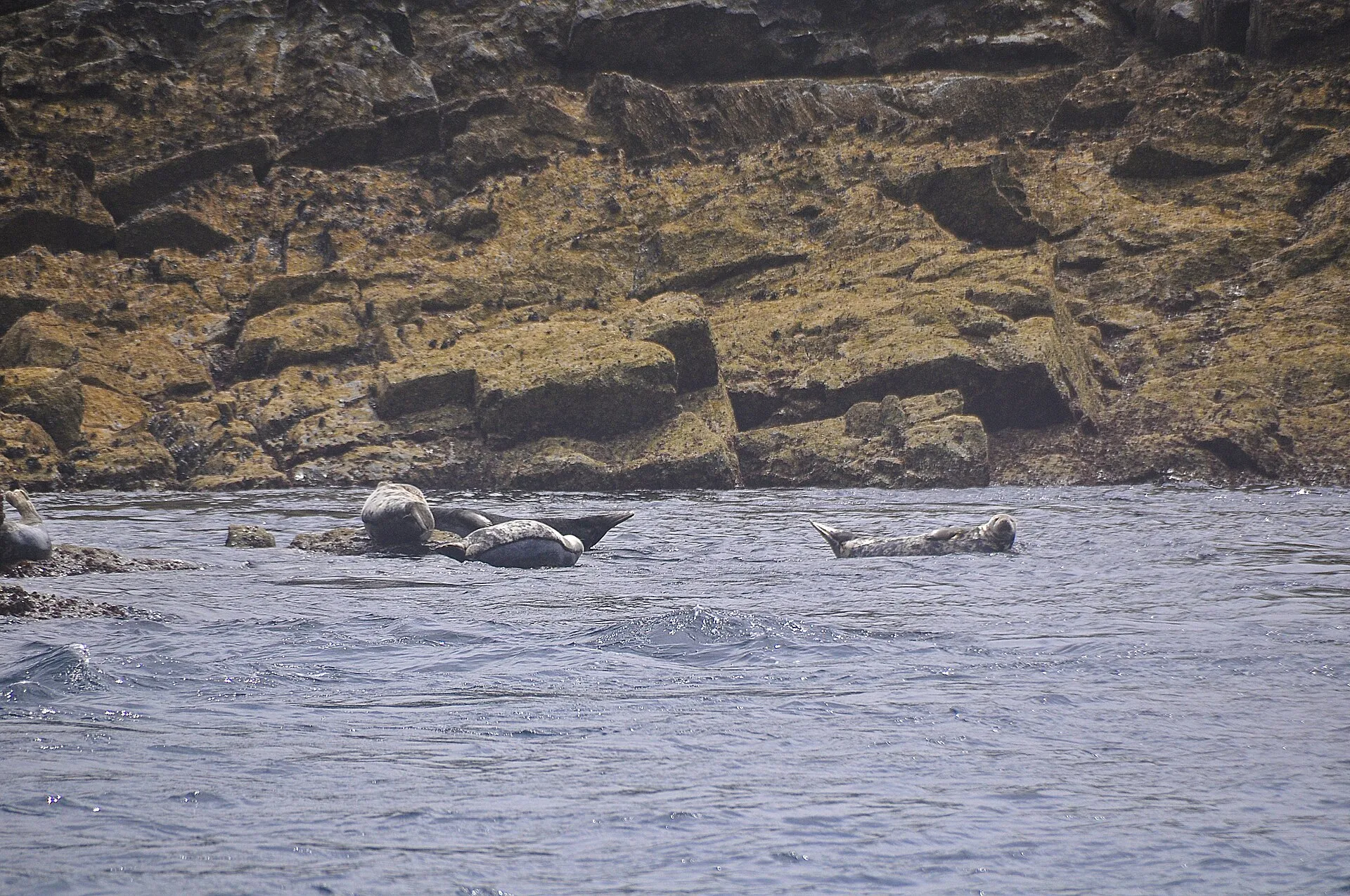
- Grey seals. Seals are seen along this coast in every season, resting on rocks at low water or watching the boat from the water.
- Dolphins and porpoises. Common dolphins are the species most often seen, usually further offshore and sometimes in large, fast-moving groups; harbour porpoises are smaller and shyer. Some days they come to the boat; many days they do not.
- Summer visitors. In some summers basking sharks feed slowly at the surface in and around Falmouth Bay, and ocean sunfish turn up in warm spells.
- Rarities. Whales are occasionally reported off the Cornish coast, but treat one as a bonus you might see once in years of trips, not something to book for.
Our guide to dolphins, seals and seabirds around Falmouth Bay covers what turns up in which season and how to spot it.
Choosing a careful operator
How the skipper behaves around animals is the best test of a wildlife trip. A good one approaches slowly, never drives straight at a group of dolphins or splits them up, keeps a steady course and lets the animals decide whether to come closer. If seals on a rock start moving towards the water or slip in as the boat arrives, the boat is already too close.
Ask whether the skipper has trained under the WiSe scheme, the UK's national wildlife-safe training for boat operators, and how long the trip spends watching rather than travelling. A naturalist or a skipper who talks about what you are seeing adds a great deal.
RIB or cabin boat?
Wildlife trips run in two main kinds of boat, and they make for different days.
| RIB | Covered or cabin boat | |
|---|---|---|
| Speed and range | Fast; can cover more coast in the time | Slower; stays nearer the harbour |
| Comfort | Exposed, bumpy at speed, you may get wet | Drier, somewhere to shelter, easier to move about |
| Who it suits | Adults and older children who like a bit of adventure | Families with young children, older passengers, anyone nervous |
| Watching | Low to the water, close to eye level with seals | Higher up, which helps with spotting at a distance |
Conditions and comfort
This is the most exposed trip on the site. Wildlife trips go where the animals are, and that is the open sea beyond Pendennis Point and St Anthony Head, not the sheltered estuary. Calm days are best twice over: the ride is more comfortable, and a flat surface makes it far easier to spot a fin or a seal's head.
If the forecast is breezy, ask the operator whether the trip will still run in full or keep to more sheltered water, and read our guide to calm-water trips and avoiding seasickness.
What to bring
- Binoculars, if you have them. Even a small pair helps.
- A waterproof jacket, especially on a RIB, where spray comes over the bow.
- Polarised sunglasses, which cut the glare and make it easier to see into the water.
- Warm layers: open water is cooler than the harbour.
- A phone or camera on a wrist strap, kept in a dry bag between sightings.
More in our guide to what to wear on a boat trip in Falmouth.
How to book
Wildlife trips through the booking link list the length, the type of boat and any age limits. Before you book, check:
- whether it is a RIB or a covered boat, and which suits your group;
- the minimum age and whether there are life jackets for small children;
- how long the trip is, since longer trips can reach further offshore;
- the meeting point and the weather and cancellation policy.
Opens GetYourGuide in a new tab. We earn a commission if you book, at no extra cost to you. How this site makes money
Common questions
Are dolphins guaranteed?
No, and be wary of anyone who suggests otherwise. Dolphins move with their food and the weather. A good skipper improves your odds by knowing where to look, but no trip can promise a sighting.
What is the best time of year for a wildlife trip?
There is something to see in every season, but it changes. Summer brings the calmest seas and the chance of basking sharks; the animals you see in spring and autumn differ. Our guide to dolphins and seals around Falmouth goes season by season.
Are wildlife trips suitable for young children?
On a covered or cabin boat, often yes. Fast RIB trips usually set a minimum age and can be wet and bumpy. Check the listing, and choose a shorter trip for a first time out.
Will I get seasick?
Wildlife trips spend most of their time in open water, so they move more than estuary trips. If you are prone to it, pick a calm day, take a remedy before you set off, and stay on deck.